

3 Types of Social Media Posts Every Brand Needs (With Examples)
The three types of social media posts that keep your audience engaged, the best formats for each, real examples and a weekly plan you can copy.
Posting on social media every day and still hearing crickets?
The problem usually isn’t how often you post. It’s what you post. Post the same kind of content over and over, and your audience tunes out, and so do the algorithms.

The fix is simple: rotate between three types of social media posts, each with its own job. In this guide, you’ll learn what the three types are, which formats work best for each, real examples, and a weekly plan you can copy.
The 3 Types of Social Media Posts: The Short Answer
- Informative posts teach your audience something useful, like tips, how-tos and quick explainers. They build trust and get saved and shared.
- Conversational posts start a two-way conversation with questions, polls and Q&As. They build community and show you what your audience really wants.
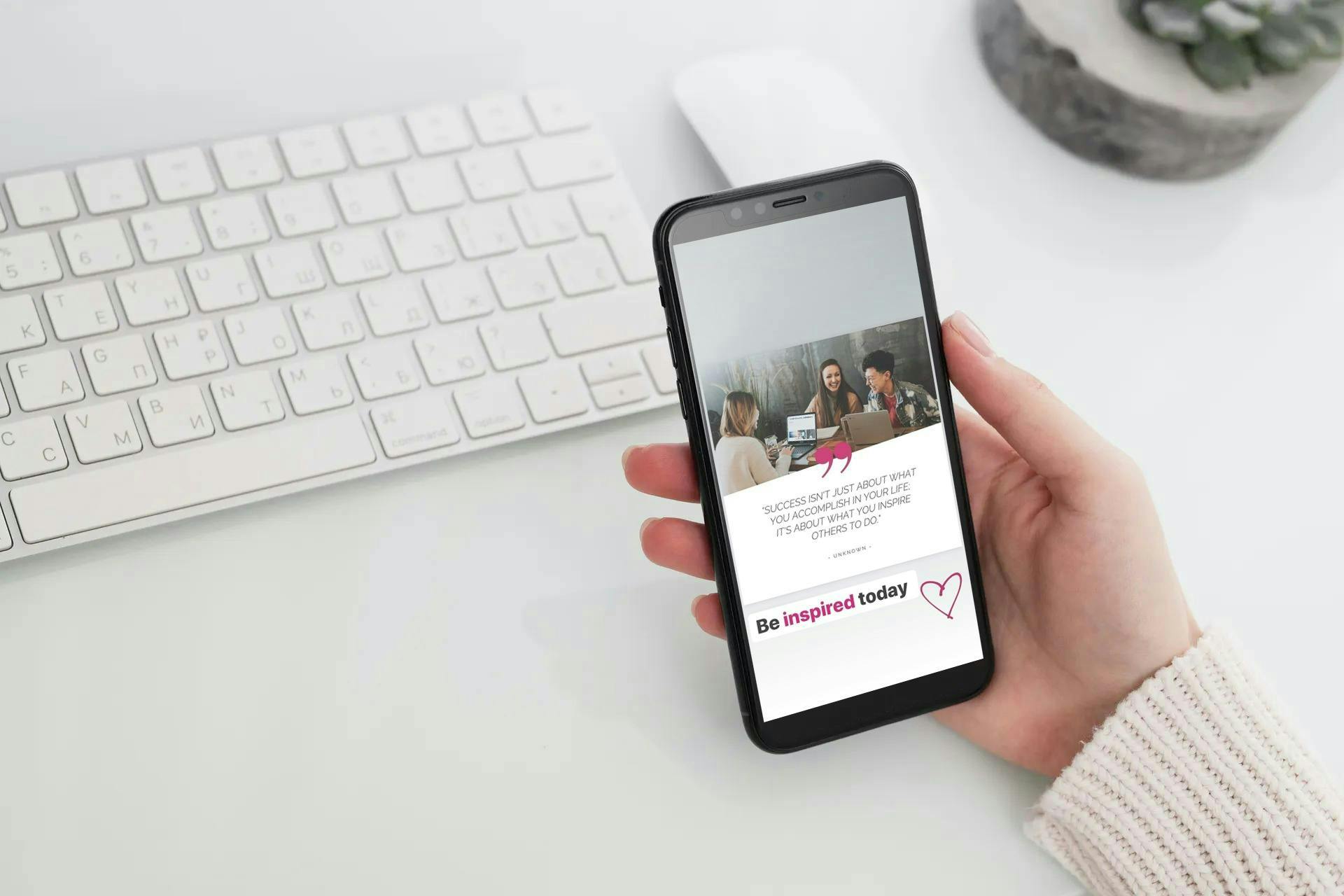
- Inspirational posts share your values, success stories and behind-the-scenes moments. They build connection and get passed along.
- The mix: rotate all three every week, and keep promotional posts to a small share of your feed.
Why Your Feed Needs a Mix of Post Types
Instagram’s head, Adam Mosseri, has said the signals that matter most for reach are watch time, likes and shares (sends). No single type of post wins on all three.
- Informative posts get saved and shared because they’re useful.
- Conversational posts get comments and replies because they invite them.
- Inspirational posts get likes and sends because people want to pass them on.
Mix them, and every part of your audience has a reason to engage. Post only one type, and you’re leaving reach on the table.
1. Informative Posts
What sets your business apart? Knowledge, experience, insight. Your audience follows you for a reason, so share what you know and make it easy to use.
Best formats for informative posts
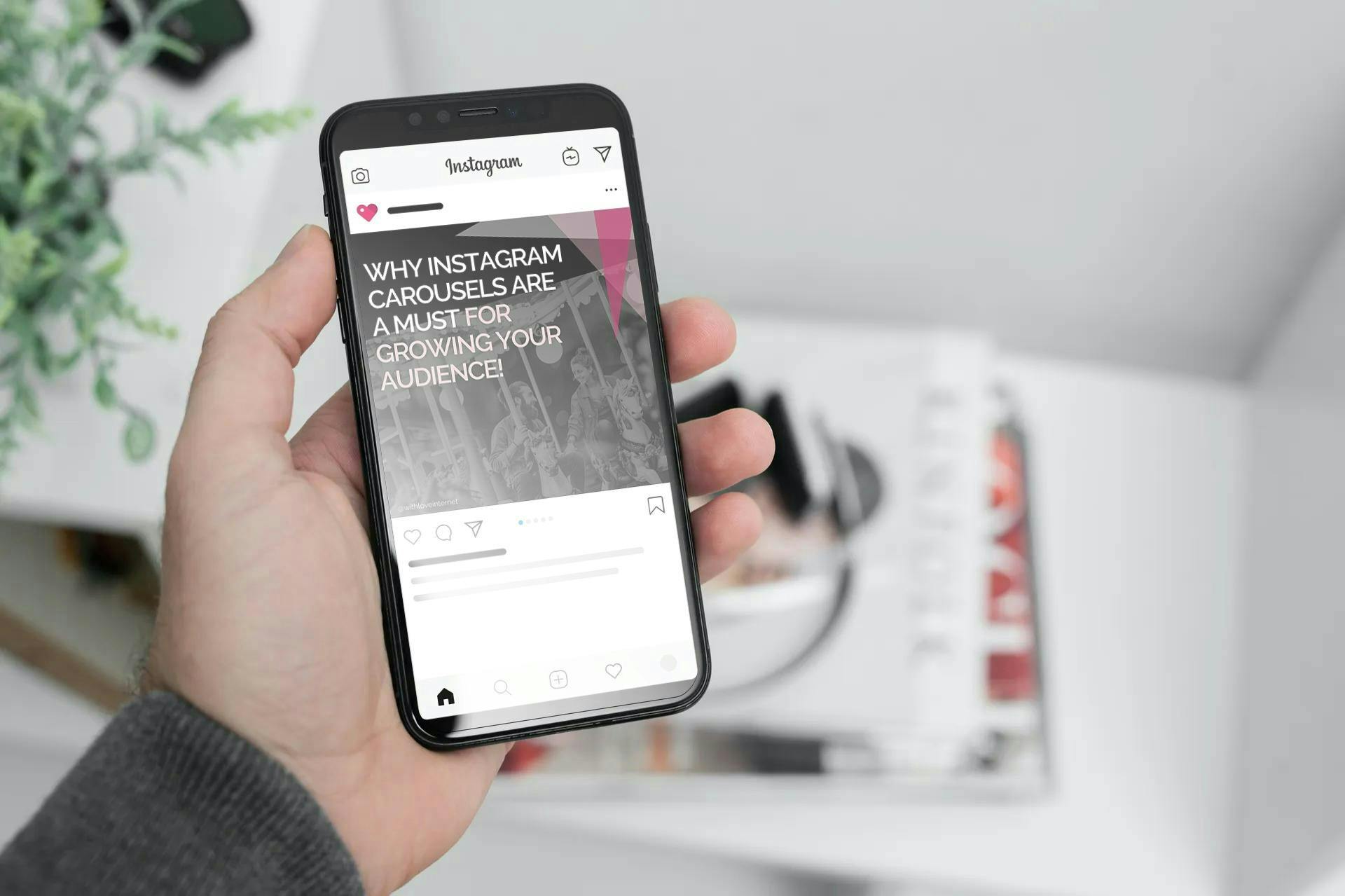
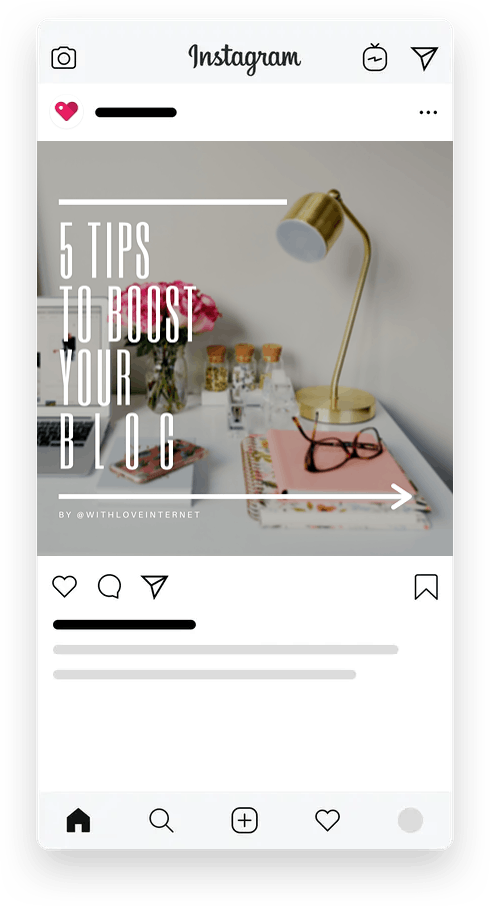
- Carousels: perfect for step-by-step tips. In Socialinsider’s latest Instagram benchmarks, carousels had the highest engagement rate of any format (0.55%, vs. 0.52% for Reels and 0.37% for single images). More on why carousels work.
- Short how-to videos: a quick Reel showing one tip in under a minute. Here’s how to make a Reel.
- Infographics: one clear visual with the key takeaway.
Informative post ideas
- “5 mistakes to avoid when…”
- A myth vs. fact about your industry
- Answer one question customers ask you all the time
- A quick before-and-after or how-to
" Your audience follows you for a reason. Share what you know, and make it easy to use. "
2. Conversational Posts
Conversational posts turn followers into a community. Instead of talking at your audience, you invite them to talk back by answering a question, voting in a poll or sending you their questions.
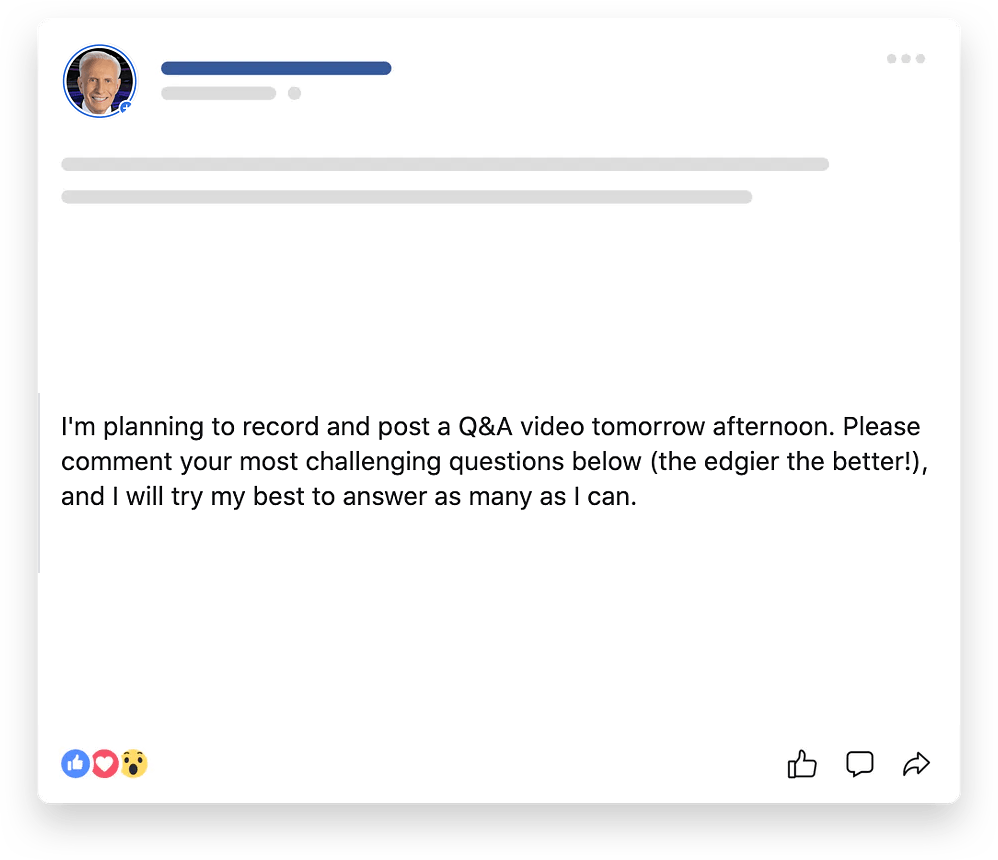
They do two jobs at once. Comments and replies boost your engagement, and the answers tell you exactly what your audience cares about. That’s free market research for your next post, product or offer.
Best formats for conversational posts
- Story polls and question stickers: the easiest way to get people to respond. See our guide to Instagram and Facebook Stories.
- Question posts: a simple question in the caption, with an image that sparks an opinion.
- Q&As: collect questions, then answer them in a post or video.
Conversational post ideas
- “This or that?” between two options
- Ask for opinions on news in your industry
- Let followers vote on a new product, color or name
- “Ask me anything” about your field
Tip: reply to every comment, especially in the first hour. A conversation needs two sides.
3. Inspirational Posts
Everyone needs a pick-me-up sometimes. Inspirational posts give your audience a reason to feel something, and they show the values behind your brand.
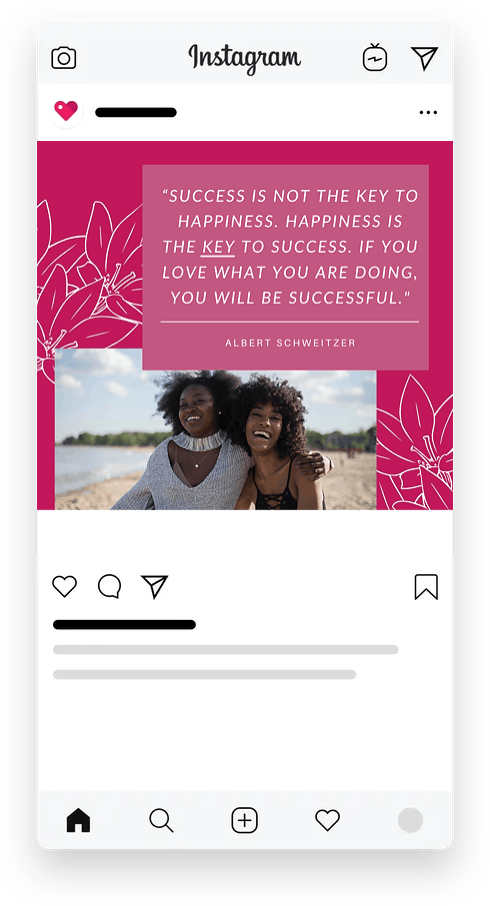
Best formats for inspirational posts
- Quote graphics that match your brand’s values
- Customer success stories (with their permission)
- Behind-the-scenes moments from your team
- Milestones and wins you’re proud of
Inspirational posts tend to get shared more, which helps you reach people who don’t follow you yet. Just don’t overdo it. A feed full of quotes may spike engagement for a while, but your audience will start craving substance. Balance them with informative posts.
" Inspiration gets shared. Information gets saved. Conversation builds community. You need all three. "
How to Mix the 3 Types: A Sample Weekly Plan
The easiest way to stay balanced is to plan ahead. Here’s a simple plan for three posts a week:
- Monday, informative: a carousel with 5 quick tips
- Wednesday, conversational: a Story poll or a question post
- Friday, inspirational: a customer story or a behind-the-scenes photo
Posting more often? Add a second informative post (like a short how-to Reel) and a second conversational Story. Put it all in a calendar so nothing slips. Our social media schedule template makes this easy.
What about promotional posts?
You still need to sell. Just make promotions the exception, not the rule. Many brands follow the 80/20 rule: about 80% of posts give value (the three types above) and about 20% promote. When you’ve earned trust, people actually listen when you make an offer.
How We Do It at WLI

For our clients, we plan every month’s content around these three types, then track which ones perform best on each platform. One client’s audience might love carousels, while another responds to Stories polls. The data tells us where to lean in.
If you want to do the same, start by tracking engagement by post type in your social media monthly report. For the bigger picture, check out our guide to creating a social media marketing strategy.
Types of Social Media Posts FAQ
Informative posts that teach something useful, conversational posts that invite your audience to respond, and inspirational posts that share your values and stories.
Want a Social Media Plan That Actually Works?
We plan, create and post a balanced mix of content for your brand, then show you what’s working every month.